

Anchor Text: The Right Way to Link for SEO
Anchor text is the clickable blue wording of a hyperlink — and it’s one of the most underused SEO levers on a small business website. Google reads those words to understand what the linked page is about, so descriptive anchors can lift your rankings while vague or keyword-stuffed ones hold you back. This anchor text SEO guide shows you exactly how to write links the right way.

Every link has two parts: the destination, and the anchor text — the words people see and click. Those few visible words act like little votes describing the linked page’s topic. Get them right and your pages rank better. Get them wrong, however, and you risk the penalty Google has handed out since 2012. The good news? Fixing anchor text is free, fast, and entirely in your control.
What Is Anchor Text, Exactly?
In plain English, anchor text is the visible, clickable text of a link. In the phrase — read our internal linking guide for small businesses — the anchor text is “internal linking guide for small businesses”.
Google cares because anchor text is a clue. When other sites link to your pricing page with the words “affordable web design London”, Google gains confidence that’s genuinely what the page covers. It works both ways: anchors you write on your own site help Google understand your pages, and anchors others use when linking to you shape your site’s authority. Google’s own link best practices confirm anchor text tells search engines what the linked page is about.
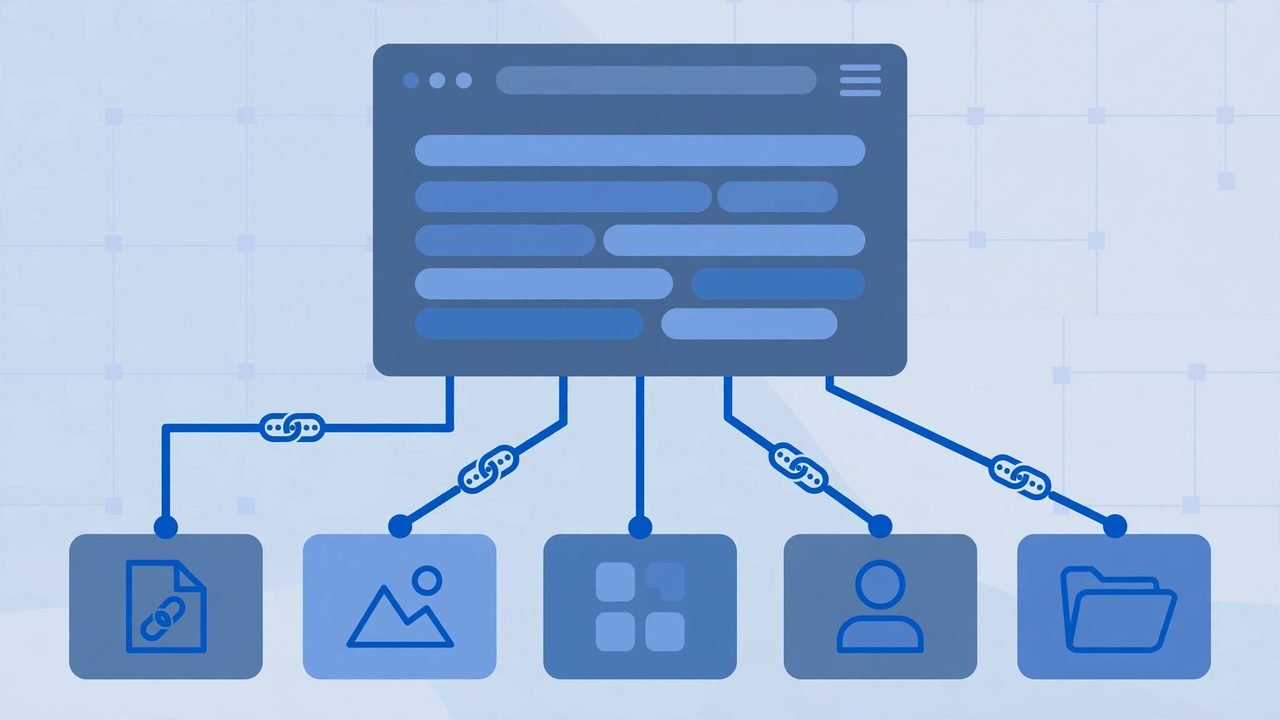
The 6 Types of Anchor Text
Once you see the six types with examples, you’ll never write “click here” in your content again:
- Exact match: the anchor is the page’s keyword — “affordable SEO services”. Powerful, but risky in large doses.
- Partial match: a natural variation — “SEO services that won’t break the bank”.
- Branded: your company name. The safest, most natural anchor there is.
- Naked URL: the raw address, like example.com/pricing. Zero keyword value, completely natural.
- Generic: “click here”, “read more”. Fine as buttons, useless for SEO inside content.
- Image anchor: when the link is an image, Google treats the image’s alt text as the anchor.
A healthy profile contains all six. In other words, think of exact match as dessert — a little is fine, living on it will make you sick.
The Penguin Lesson: Keyword Stuffing Gets Punished
Before 2012, SEO was embarrassingly easy: build hundreds of backlinks all using the same keyword as anchor text, and rankings climbed. Agencies sold “1,000 backlinks for £50” — and it worked. Then Google launched the Penguin update, and sites with manipulated anchor profiles got crushed overnight.
The rule hasn’t changed: too many inbound links using identical exact-match anchors looks rigged, and Google treats it as spam. The safe zone every study lands on is simple — keep any single exact-match phrase under 5–10% of your anchors. Mostly branded anchors, naked URLs, and partial matches, with a sprinkle of exact match: that’s a natural profile. Cleaning up old damage? Our Google penalty recovery guide walks through the fix.
Anchor Text SEO Guide: Internal Links Are Your Fastest Win
Unlike backlinks, internal anchor text is 100% in your control — and most small business sites waste it. Fix it this afternoon:
- Describe the destination. Link “see our emergency call-out pricing” instead of “click here”.
- Vary your phrasing. Ten links to your contact page? Mix “get in touch”, “request a free quote”, “contact our team”.
- Keep it short. Four to six words is the sweet spot.
- Match the page’s intent. Booking page? Use action anchors like “book your free consultation”. This ties into your content cluster structure — pillar and cluster pages should link to each other with clean, descriptive anchors.
One caution: don’t stuff keywords into every internal link either. Even on your own site, repeating the same keyword-heavy anchor dozens of times looks spammy. Above all, write for the human first.
Backlink Anchors: Influence, Don’t Dictate
You can’t control what other sites write when they link to you — but you can influence it. When doing outreach, most site owners let you suggest the anchor. This is where businesses quietly sabotage themselves: they ask for their money keyword on every link. Don’t.
Suggest a natural mix instead: your brand name most of the time, partial-match phrases sometimes, exact match rarely. And remember the image rule — if a partner links through your logo, its alt text should say your business name plus what you do, not “logo-final-v2”. For a deeper dive, bookmark Moz’s anchor text guide. Our white-hat backlinks guide covers the outreach side.
The 15-Minute Anchor Text Audit
- Read your own links aloud. Open your five most important pages. Does each anchor say what you’ll find on the other side? Rewrite the vague ones.
- Check Google Search Console. Links → Top linking text shows the anchors other sites use for you. Red flags: one exact-match phrase dominating, or anchors in languages you don’t do business in.
- Fix sitewide links. Nav menus and footers appear on every page — if they’re keyword-stuffed, that’s dozens of repetitive signals.
- Repeat quarterly. Profiles drift as you publish and earn links; a quick review keeps small issues small.
Conclusion
The clickable words of your links tell Google what your pages are about — so write them like you’re describing the destination to a friend: descriptive, varied, natural. Keep exact-match phrases under 10%, lead with branded and descriptive anchors, and audit quarterly. It’s unglamorous work, but it’s the kind of foundational SEO that compounds quietly while competitors chase shiny tactics.
Anchor text is the visible, clickable wording of a hyperlink — the blue underlined words you click to visit another page. It tells readers and Google what the linked page is about, which is why “free keyword research template” outperforms “click here”.
Keep any single exact-match phrase under 5–10% of your total anchors. The rest should be branded anchors (your business name), partial-match variations, naked URLs, and generic phrases — that’s a natural, penalty-proof profile.
Yes — and internal links are the fastest win because you control every word. Use descriptive, varied anchors between your own pages, keep them to 4–6 words, and match the anchor to the destination page’s intent.
Yes. Since Google’s Penguin update in 2012, sites with manipulated anchor profiles — especially floods of identical exact-match backlinks — have suffered severe ranking drops. The fix: diversify anchors, disavow truly spammy links, and rebuild with branded and partial-match anchors.
Occasionally, as a call-to-action button, it’s fine. The problem is only when generic anchors replace descriptive ones throughout your content. Inside a paragraph, describe the destination: “see our pricing plans” beats “click here”.
Pingback: Internal Linking Strategy: The Easiest SEO Win Most Sites Miss