

Plumber SEO is the work that makes your business the one a homeowner calls when a pipe bursts. Almost every emergency search ends with one phone call to one of the top three Google results — and the customer picks the one with the best reviews. As a result, the winner isn’t necessarily the best plumber in town. It’s the best plumber Google shows first.
Nobody searching “emergency plumber near me” at 11pm compares six websites. They open Google, glance at the first two or three results with solid stars, and call the first one that answers. Here’s how to become that business — in plain English, no agency jargon.
What Plumber SEO Really Is
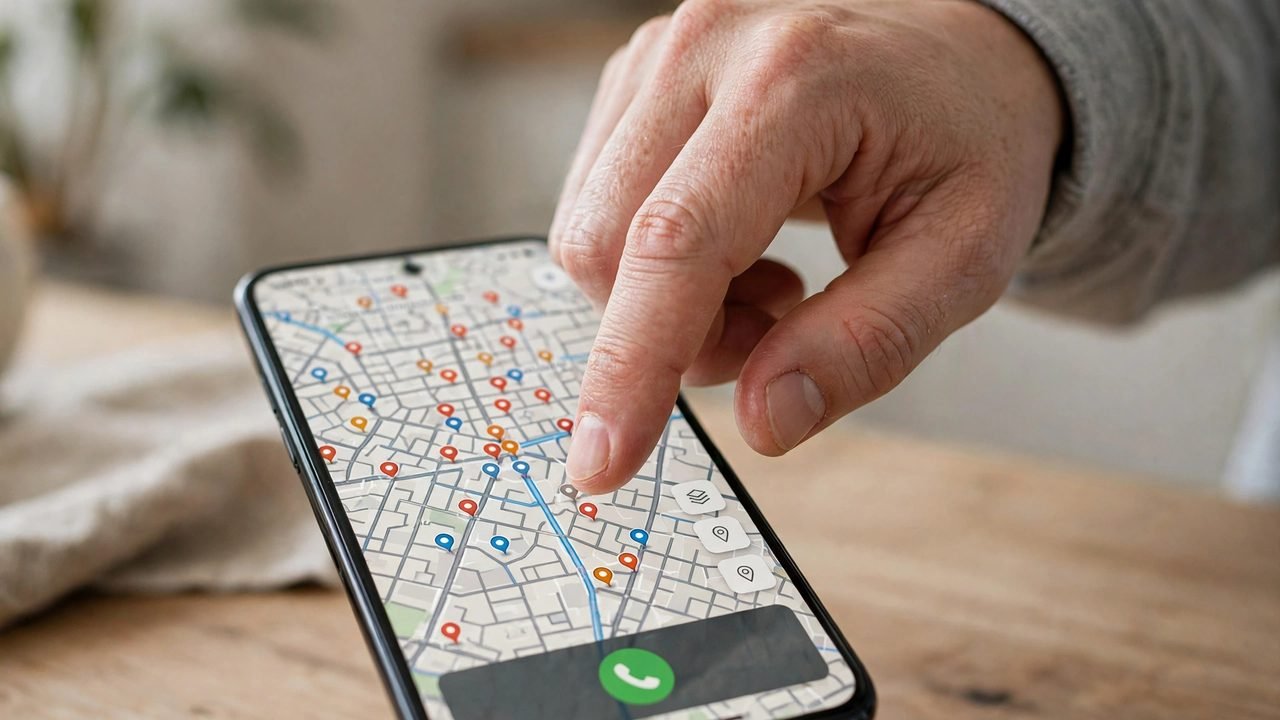
Forget the picture of a slow, expensive website project. Plumber SEO is about winning one moment: the sixty seconds between someone’s panic and their phone call. When a pipe bursts, the homeowner grabs their phone — nearly always a phone, almost never a laptop — and Google shows a map with three businesses at the top. That little block, the local pack, captures roughly 44% of all clicks on local searches. Your website at the bottom of page one? They’ll never scroll there.
So you’re not trying to rank a blog post about drain maintenance. You’re trying to own your local map results, collect reviews that mention emergencies, and make your phone number tappable the instant someone finds you. Get those three right and you’ve done most of the job.
The 60-Second Emergency Decision Funnel
Seconds 0–10: They search. Google shows three plumbers with star ratings. They scan stars and names, nothing else. Seconds 10–30: They tap one or two listings and see your Google Business Profile — photos, reviews, hours, whether reviews mention fast emergency arrivals. This is where plumbers are won or lost, not on their websites. Seconds 30–60: They call. If you answer, you get the job. If you don’t, they call the next listing. Consequently, the plumber who picks up first usually wins.
5 Pillars That Get You the Call
1. Your Google Business Profile is your storefront
Claim and fully complete your profile. Primary category “Plumber” — nothing generic. Add “Drain Cleaning Service” and “Emergency Plumber” as secondary categories, list every service, set your service areas, keep hours accurate. Then keep it alive: weekly photos of real jobs and a weekly post — a finished job, a frozen-pipes tip. It takes five minutes and signals activity to Google. Our Google Business Profile optimization guide covers every field.
2. Reviews are your second most powerful lever
Reviews carry roughly a fifth of local pack ranking weight — and what they say matters nearly as much as the stars. “Fixed our burst pipe in two hours” beats “great service,” because Google reads review text and so does the next panicking customer. Text every customer a direct review link within 24 hours of the job, and ask them to mention what you fixed and how fast. A few new reviews weekly beats 40 once a year. Reply to every one. See our Google reviews and SEO playbook for the full system.
3. Speed and tap-to-call win emergencies
Plumbing searches happen on phones, in genuine emergencies. If your site takes more than a few seconds to load, the customer is gone. Google’s Core Web Vitals guidance sets the bar, but yours is simpler: a big tap-to-call button at the top of every page that actually dials. Test it on your own phone on mobile data, not wifi. If the number isn’t thumb-reachable in three seconds, fix that first.
4. Emergency messaging on every page
Your pages must say what a panicking customer needs: we do emergencies, we’re fast, call now. One line at the top of your homepage and every service page — “24/7 emergency plumbing across [your area] — call now” — converts better than a redesign. And keep your name and phone number identical everywhere online; inconsistent details quietly hurt rankings, as our NAP consistency guide explains.
5. Be findable where AI assistants look
People now ask ChatGPT, Gemini, and voice assistants “who’s a reliable emergency plumber near me?” These assistants recommend businesses with complete, consistent, well-reviewed profiles. Everything above is exactly what they look for — the basics done properly are your AI strategy. Just avoid the local SEO mistakes that kill map rankings.
How Long Does It Take? An Honest Answer
Profile improvements can move the needle in 2–4 weeks. However, steady map-pack visibility and organic rankings take 3–6 months — Google needs time to recrawl your site, verify your details across the web, and build confidence that you’re active and well-reviewed. Anyone promising the top of Google in two weeks is either lying or about to get your profile suspended. The encouraging part: every review you collect this month is a permanent deposit, and most competitors won’t bother. The bar in most towns is embarrassingly low.
What Never to Buy
- Guaranteed #1 rankings. Nobody can guarantee Google. Walk away.
- Bulk review packages. Buying reviews violates Google’s rules and can get your whole profile removed.
- 500-directory blasts. Spammy listings do nothing. A handful of real ones — Checkatrade or TrustATrader in the UK, Yelp and the BBB in the US — do everything.
- Keyword-stuffed business names. “Dave’s Plumbing — Emergency Plumber 24/7 [City]” is a suspension waiting to happen. Use your real name.
- Mystery monthly reports. If an agency can’t show you calls and review growth in plain English, they’re not doing the work.

Your Move: Three Things This Week
One: finish your Google Business Profile — every field, every service, every city, photos of real jobs. One evening, done. Two: text five happy customers your review link today, asking them to mention what you fixed. Three: make your phone number big, tappable, and thumb-reachable on every page, tested on your own phone.
The plumbers winning in 2026 aren’t the ones with the fanciest websites. They’re the ones whose name appears first, whose reviews say “came fast, fixed it,” and who pick up the phone. For the broader trades picture, our guide on SEO for plumbers and trades pairs well with this article.
Plumber SEO brings in more jobs by putting your business in the top three Google map results when someone searches for a plumber nearby. Those three listings get most of the calls, because panicking customers rarely scroll further. More visibility in that spot, backed by strong reviews, means more calls — and more jobs.
You can do the highest-impact half yourself: completing your Google Business Profile, collecting reviews, uploading photos, and making your number tappable. An agency helps with the technical half — speed, service-area pages, directory listings. Start DIY; hire only when you need the technical half.
There is no magic number, but businesses with 20 or more recent, genuine Google reviews consistently outperform those with fewer. What matters most is steady velocity — a few new reviews every week — and reviews that mention the service and the area. Ten fresh reviews beat a hundred stale ones.
This approach works especially well for one-van businesses in small towns, where competition is thinner. A complete profile, steady reviews, and a fast mobile site can win the local map pack within weeks. In big cities it takes longer, but the fundamentals are identical.
Reviews are only one of several ranking signals. Your competitor may have a more complete Google Business Profile, a longer history of activity, better categories, more consistent business details across the web, or stronger recent review velocity. Moz’s annual local search ranking factors study breaks down exactly how these signals are weighted.